Sports
MN Twins Infielder Named Finalist for Silver Slugger
By Katherine Langford
Advertisement · Why this ad?
Katherine oversees editorial operations across all six brands. Before joining The Meridan Group, she spent 14 years at the Minneapolis Star Tribune, where she led the metro desk through its digital transformation. She holds a Master's in Journalism from Northwestern's Medill School.
More from Katherine →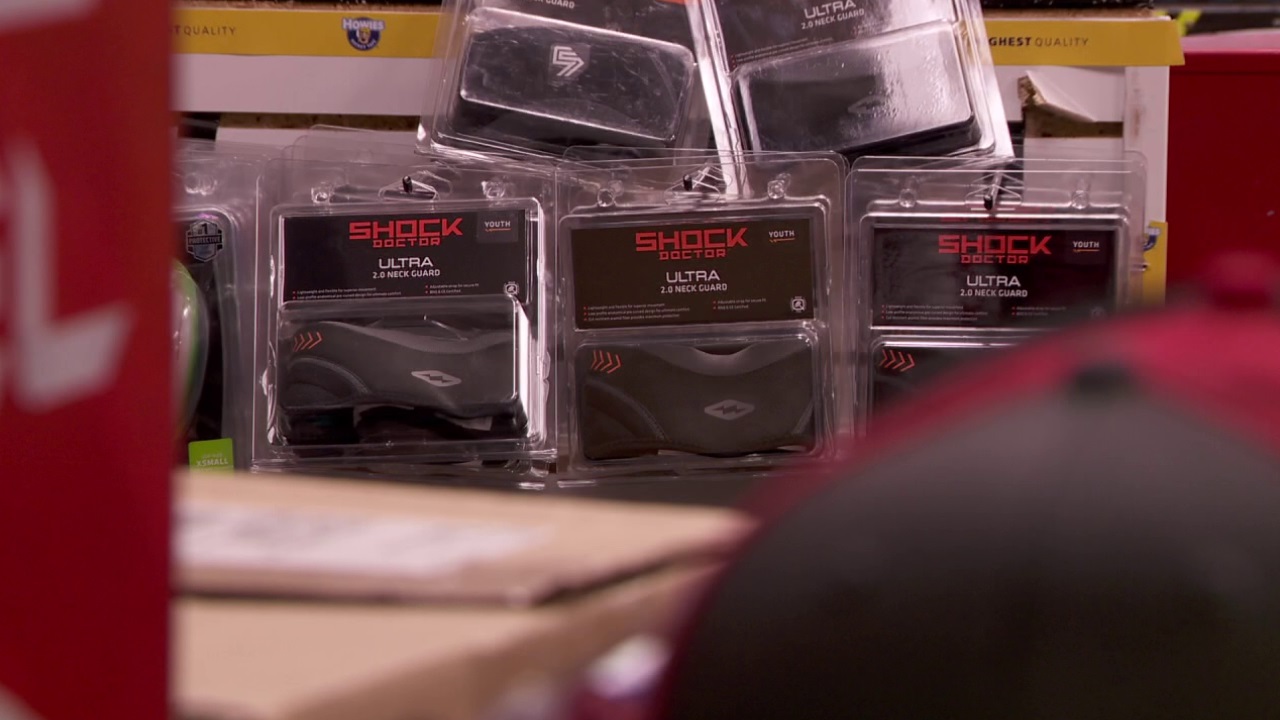
On a chilly winter evening in Minneapolis, a young girl watches her mother lace up her hockey skates, dreams shimmering in her eyes. Hockey, a sport rooted in tradition and grit, has long been a cornerstone of Minnesota’s community fabric. Yet, recent tragic events have cast a stark spotlight on the sport’s safety measures, prompting a reevaluation of protective standards that could shape the future of women’s hockey nationwide.
The Professional Women’s Hockey League (PWHL) has announced a significant safety update: beginning with the 2026-2027 season, neck guards will be mandatory for all players. This decision follows a tragic incident involving Adam Johnson, a former University of Minnesota-Duluth alum, who lost his life during a game in England after a skate blade slashed his neck. Johnson’s death, a rare but devastating occurrence, has reignited discussions about protective equipment and the league’s commitment to player safety.
Johnson’s accident was a stark reminder of the inherent dangers of hockey, a sport celebrated for its speed and physicality but also fraught with risks. The league’s new rule mandates that all players, including goaltenders, wear neck protection meeting the standards set by the International Safety Equipment Organization (ISEO) and the American National Safety Institute (ANSI). The goal is clear: reduce the incidence of neck injuries from skate blades, pucks, or accidental collisions, and foster a safer environment for athletes at all levels.
The announcement has resonated deeply within Minnesota’s hockey community, a region where the sport is woven into the cultural identity of families and communities. Many local players, coaches, and parents have expressed support for the league’s proactive stance. For families who have watched loved ones lace up skates year after year, the emphasis on safety underscores a shared commitment to protecting the next generation of players.
“It’s a step in the right direction,” says Sarah Becker, a mother of two who coaches youth hockey in Minneapolis. “Our children’s safety should always come first. The tragic loss of Adam Johnson reminds us how fragile life is, even in a sport we love so much.” Local hockey organizations, including the Minnesota Hockey Association, have begun reviewing their own safety protocols to align with the league’s new standards, emphasizing the importance of protective gear for all ages.
Looking ahead, the PWHL’s rule changes extend beyond neck guards. The league will now permit high-sticking the puck and clarify when body checking is legal, allowing players to use body position to gain possession without engaging in dangerous contact. These updates aim to balance the sport’s physicality with player safety, ensuring the game remains competitive yet respectful of physical boundaries.
Additionally, preseason scrimmages will test new overtime formats, including options for penalty shots following minor penalties during 3-on-3 overtime. Such innovations reflect the league’s broader efforts to modernize the game, making it faster and more exciting while safeguarding players from unnecessary risk. Minnesota’s rich hockey tradition will likely serve as a testing ground for these changes, reinforcing the state’s reputation as a hub of excellence and safety in the sport.
For families and fans alike, these developments symbolize a broader cultural shift—one that values the integrity of the game and the well-being of its players. As the league implements these safety measures, Minnesota’s community remains hopeful that future tragedies can be prevented, and that young athletes can pursue their dreams with confidence and security.
In the end, the story of Adam Johnson’s tragic death underscores a fundamental truth: the strength of a community lies in its ability to learn, adapt, and protect its most vulnerable. Minnesota’s enduring love for hockey, rooted in faith, family, and perseverance, continues to drive progress toward a safer, more inclusive future for all who take to the ice.
Hockey has deep roots in Minnesota, often called the “State of Hockey,” a nickname that reflects its cultural significance. From youth leagues to high school programs, the sport is woven into the fabric of communities across the state. Minnesota boasts some of the most passionate hockey fans and the most successful youth development programs in the country, producing NHL players, Olympians, and dedicated amateurs alike.
For generations, local rinks have been community hubs where families gather, and young athletes learn not just skills but also life lessons about teamwork, perseverance, and resilience. The state’s iconic ice arenas, such as the Xcel Energy Center in St. Paul and the Braemar Arena in Edina, are symbols of Minnesota’s hockey pride. These facilities have seen countless young players aspire to reach higher levels, often with dreams of someday playing in the NHL or representing the United States in international competitions.
Despite the sport’s popularity, safety concerns have been a growing focus, especially as youth participation increases and the sport evolves. The tragic death of Adam Johnson has prompted local leagues to reevaluate safety protocols, leading to widespread discussions about protective gear, coaching standards, and emergency preparedness. Many Minnesota communities have already adopted more stringent safety measures, including mandatory neck guards at youth levels, to prevent similar tragedies from occurring again.
Coach Mark Jensen, who has mentored hundreds of young players in the Minneapolis area, emphasizes the importance of safety alongside skill development. “Hockey is a fast, physical game, but we have a responsibility to protect our players. The new safety regulations are a positive step, and I believe they will make our rinks safer for everyone,” he says. Jensen has been involved in youth hockey for over 20 years, witnessing firsthand how safety improvements can foster a healthier, more inclusive environment.
Lisa Nguyen, a parent of three hockey players and a community leader involved in local sports initiatives, advocates for increased safety awareness. “We teach our kids to be tough and resilient, but that doesn’t mean risking their safety. The league’s move to mandate neck guards shows that safety is a priority, and I hope it encourages other leagues across Minnesota to follow suit,” she states. Nguyen’s efforts have helped organize safety clinics and awareness campaigns in her neighborhood, emphasizing the importance of protective equipment and emergency preparedness.
The implementation of these safety rules marks a significant shift in Minnesota’s hockey landscape, but it also raises questions about enforcement, education, and ongoing safety culture. The league’s decision to require neck guards by the 2026-2027 season is a proactive step, yet ensuring compliance across all levels—from youth leagues to professional teams—will require concerted effort.
Local hockey associations are planning educational campaigns to inform players, parents, and coaches about the importance of proper protective gear. Clinics and workshops will likely be organized to demonstrate the correct fitting of neck guards and other safety equipment, fostering a community-wide understanding of injury prevention.
Furthermore, the league’s new rules on high-sticking and body checking are designed to promote a safer style of play. Coaches will need to adapt their training and game strategies to emphasize clean, controlled contact, and officials will be tasked with enforcing these rules consistently. Minnesota’s reputation as a leader in hockey safety could serve as a model for other regions as they adopt similar standards.
Finally, ongoing research and monitoring will be essential. The league and local organizations will track injury data, gather feedback from players and officials, and adjust policies as needed. The hope is that these measures will lead to a measurable decline in serious injuries and foster a culture that prioritizes player health without compromising the sport’s competitive spirit.
For Minnesota’s hockey community, the road ahead involves a collective effort—coaches, players, families, and league officials working together to uphold these safety standards. The tragic loss of Adam Johnson has served as a painful but powerful catalyst for change. As the state continues to celebrate its rich hockey heritage, it does so with a renewed commitment to protecting its athletes and ensuring that the game remains safe, inclusive, and inspiring for generations to come.
By Katherine Langford

By Katherine Langford

By Katherine Langford

By Katherine Langford